Payout fraud in rewards apps: How GPT platforms can catch fake accounts before they cash out
By Monique Tan●5 min. read●Aug 5, 2026
For a get-paid-to (GPT) or rewards app, the payout is the point. Users show up to earn, and the moment they cash out is the moment your app either proves it's legit or loses them for good.
That's also the moment fraud shows up. Fake accounts, bots, and scammers running the same offer over and over are all trying to get paid without earning it. When they succeed, the reward cost isn't only the money that walks out the door. Every dollar lost to a fake account is a dollar you can't put toward real users, which forces apps to slow payouts, cut reward amounts, or add friction legitimate users feel first. When you layer on thinner margins and payout vendors that start asking questions, a fraud problem quickly becomes a growth problem.
Payout fraud is one of the most common concerns product and growth teams face. Here's an overview of common fraud tactics, why they hit GPT apps so hard, and what you can do to stop bad actors before they cash out.
What does payout fraud look like in rewards and GPT apps?
Payout fraud is when fake accounts, bots, or abusers exploit an app's earn-and-cash-out system to collect rewards they never earned. The three most common tactics are:
1. Fake accounts and multi-accounting
A single bad actor spins up dozens or hundreds of accounts to claim the same sign-up bonus, offer, or streak reward multiple times. Each account looks legitimate on its own, which is why it’s hard to catch one profile at a time. You only see it in the pattern across accounts: one device, one behavior, one cash-out request on repeat, but at a volume no real user could manage.
2. Bots and automated farming
Scripts and bots complete offers, tap through games, and farm rewards at unbelievable speed. What used to take a person hours now runs on autopilot. With AI, agents can navigate an app, complete tasks, and work around the checks meant to slow them down, all without a human in the loop. And it's happening everywhere. Akamai's Fraud and Abuse Report 2025 found AI-powered bot traffic rose 300% in a single year. Farming is cheap to run and tough to catch, since the activity looks human until the volume gives it away.
3. Referral and bonus abuse
Referral programs run on trust, which is exactly what makes them easy to game. Most GPT apps reward users for bringing in friends, and many layer on bonuses for signing up, hitting a daily streak, or clearing a set number of offers. Each one is a payout trigger, and each one can be faked. A bad actor can refer themselves through fake accounts, trade referral links in bulk, or chain bonuses together to cash out value they never earned. The more generous the rewards, the bigger the target.
Why is payout fraud so costly for GPT apps?
Fraud isn't just a security problem for rewards apps. It also impacts the key metrics your team is measured on.
Direct margin loss at micro-denominations
GPT apps run on thin margins and high volume. Every fraudulent cash-out comes straight off the top. At scale, a small fraud rate turns into a real dent in your bottom line. The money you lose to fake accounts is money you can't reinvest in acquiring or rewarding legitimate users.
Real user churn and app store ratings decline
When fraud forces you to react, real users feel it first. Tightening rules, slowing payouts, or trimming reward values to protect margin all land hardest on users earning honestly. In a space where trust is everything, a slow or shrinking cash-out could drive users away and lead to one-star reviews about getting paid too slowly. And those reviews make the next user more expensive to win.
Delayed payouts and broken user trust
A spike in suspicious activity can put you on the wrong side of your payment provider. Account holds don't just stop fraud: they can delay payouts for every user right when reliability is the thing keeping people around. One freeze can cost you trust that took months to earn.

Where fraud controls usually fall short
Most GPT teams already have fraud measures in place. The problem is where they’re implemented. Plenty of apps invest heavily in preventing fraud at onboarding, then treat the payout as a done deal. But fraudsters often look perfectly clean at sign-up. Screening at onboarding still matters. It just isn't enough on its own, because the payout is where a lot of fraud could creep in.
Payment providers leave a similar gap. Their fraud tooling is built to protect money coming in by screening payments, catching stolen cards, and fighting chargebacks. Payouts run the opposite direction, and that protection usually doesn't follow. It's worth knowing exactly what your vendor covers, because “fraud protection” often means payment fraud, not payout fraud.
How can GPT apps reduce payout fraud at the cash-out layer?
You can reduce payout fraud by screening redemptions before they clear, verifying users at cash-out, and using device and network signals to catch repeat offenders. It’s impossible to weed out every fraudster if you have a massive user base, but you can make your app much harder to target. Here are a few proactive moves to protect your platform and legitimate users:
Screen for suspicious redemption patterns before payout
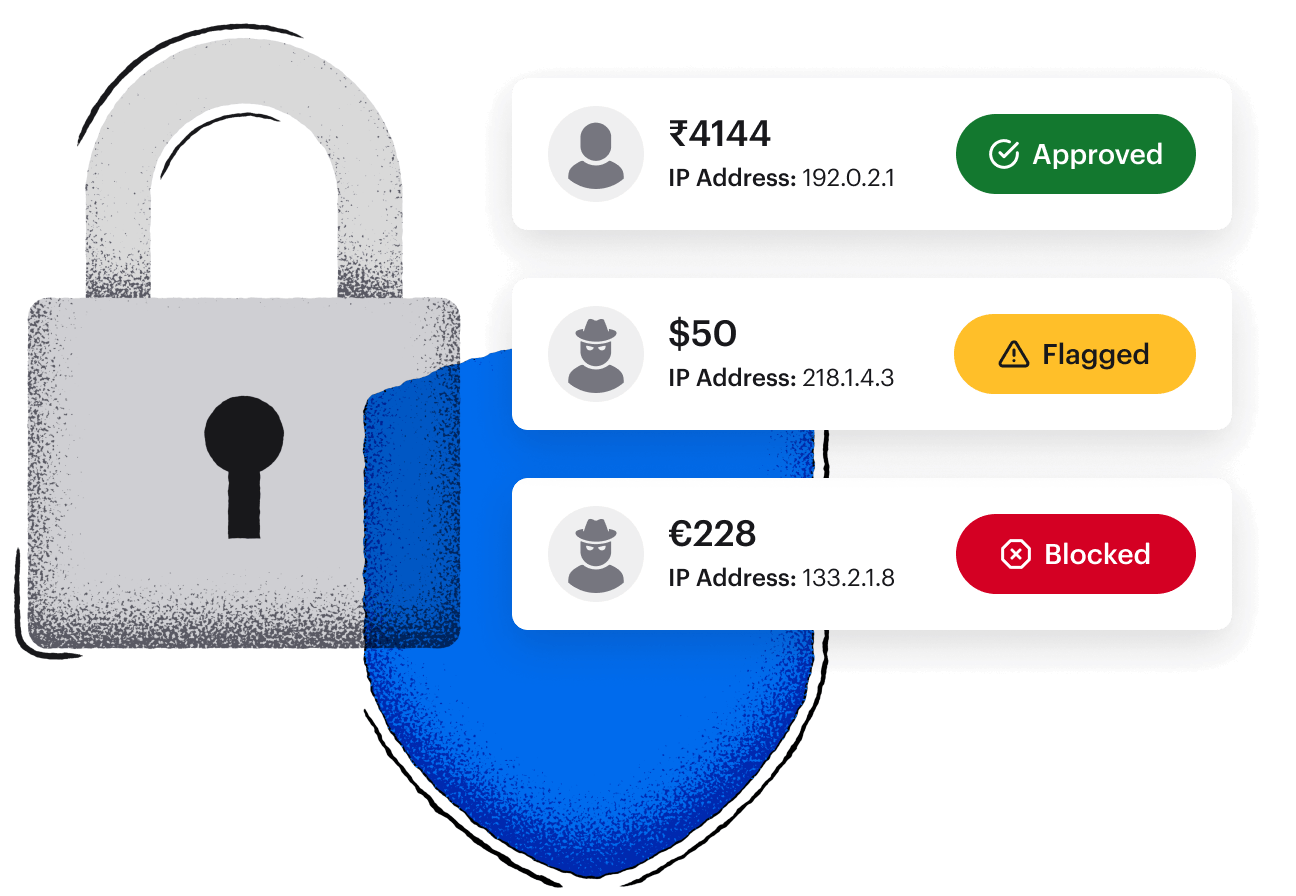
Watch for the signals that don't add up: unusual velocity, clusters of accounts redeeming the same way at the same time, or earning behavior that's too fast or uniform. Flagging these users earlier blocks bad actors and minimizes fraudulent payouts.
Verify at the payout moment, not just at onboarding
Add a checkpoint before funds actually leave. Confirm that the account belongs to a real, unique person and the reward was actually earned, not farmed. You don't need heavy identity checks on every redemption, but stepping them up for higher-value or high-frequency cash-outs can help you catch accounts gaming the system, and the ones that will cost you the most.
Use device, velocity, and network signals to catch repeat offenders
Device IDs, IP patterns, and velocity checks connect activity that looks isolated on its own, along with signals like VPN use. Often, a single device is running many accounts under different emails, or one IP address has far more devices on it than a typical household would. Signals like these turn a scatter of harmless-looking accounts into one obvious cluster. Providers that draw on fraud data across a broader network can surface bad actors that other companies have already flagged.
These moves help most when they’re run together, ideally embedded in your actual payout flow. That's where your payout provider’s capabilities make a big impact.
What fraud capabilities should you look for in a payout provider?
If fraud protection at the payout layer is the goal, not every provider can get you there. As you weigh your options, look past the price per payout and check how each one handles the moment that matters most.
Built-in fraud controls. The provider should help detect and block suspicious redemptions at the point of payout, where the money actually leaves.
Customizable rules you can tune to your app. Fraud looks different depending on your user demographics, target geos, and app focus area. Look for customizable controls you can adjust to your own earning and cash-out patterns, not just default settings.
Network-level fraud signals. Providers that pool fraud data across many companies can flag known bad actors you haven't seen yet.
Strong security and data protection. Look for SOC 2 Type II and GDPR compliance, data encryption, and access controls. The same infrastructure that protects sensitive data makes it harder for bad actors to exploit the payout flow.
A digital payout platform like Tremendous includes all these capabilities. Fraud prevention comes built into the platform, with customizable controls and network-level signals from more than 25,000 companies that help your team flag known fraudsters cycling through identities.
Summary
For rewards and GPT apps, the cash-out is your last shot at catching a fraudster before they impact your bottom line. Sign-up checks and the tools that screen incoming payments do real work, but neither watches the money on its way out, which is exactly where fake accounts, bots, and referral abuse slip through.
The teams that stay ahead of fraud treat payouts as a last line of defense. They screen for suspicious patterns before money moves, verify at the moment of cash-out, and lean on device and network signals to catch bad actors that slide in. Get that layer right, and you protect your margins and the trust users place in your app.